
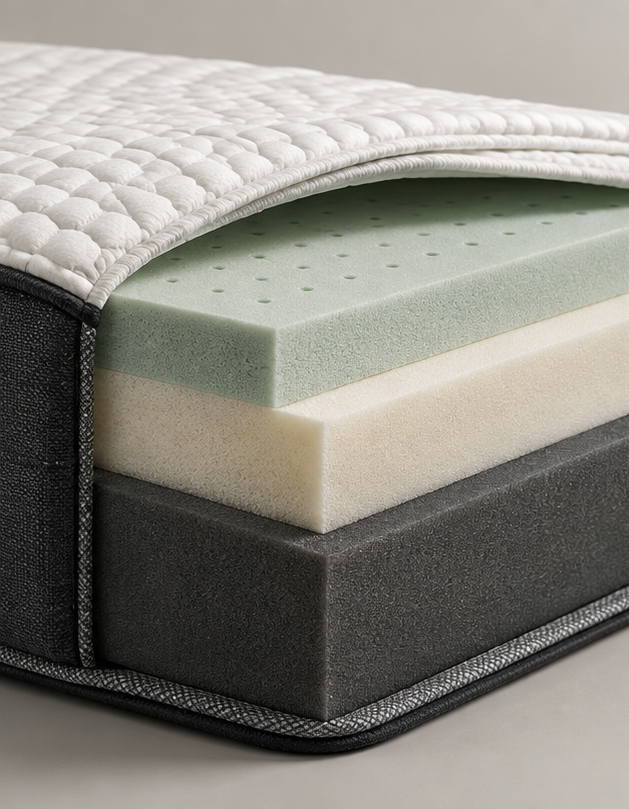
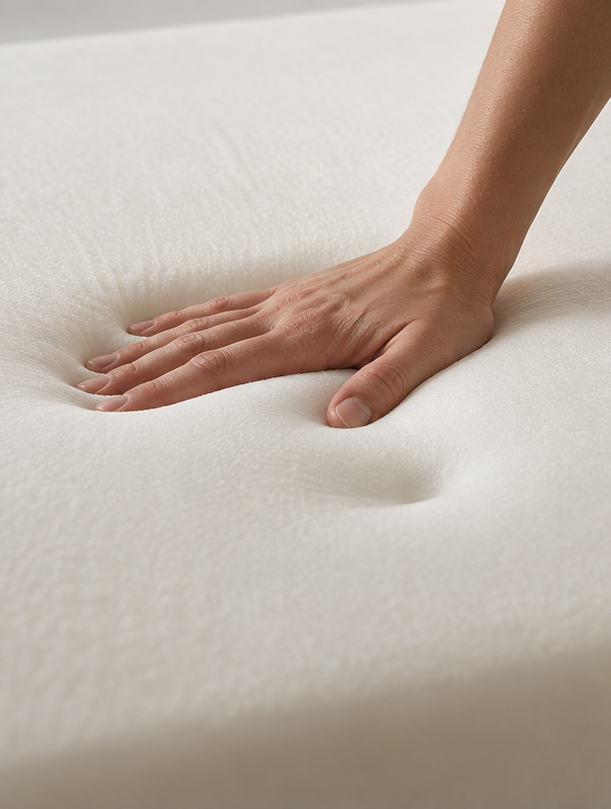
Memory foam mattresses are made with high-density polyurethane foam that reacts to pressure and temperature. The material is known for its slow-recovery feel, close contouring, and ability to absorb pressure. For business buyers, this category is useful when the intended customer values cushioning around the shoulders, neck, hips, and back. LuxeBella Group Inc. supports inquiry review for buyers who need to define foam density, firmness, height, cover fabric, and ventilation features before commercial terms are discussed.
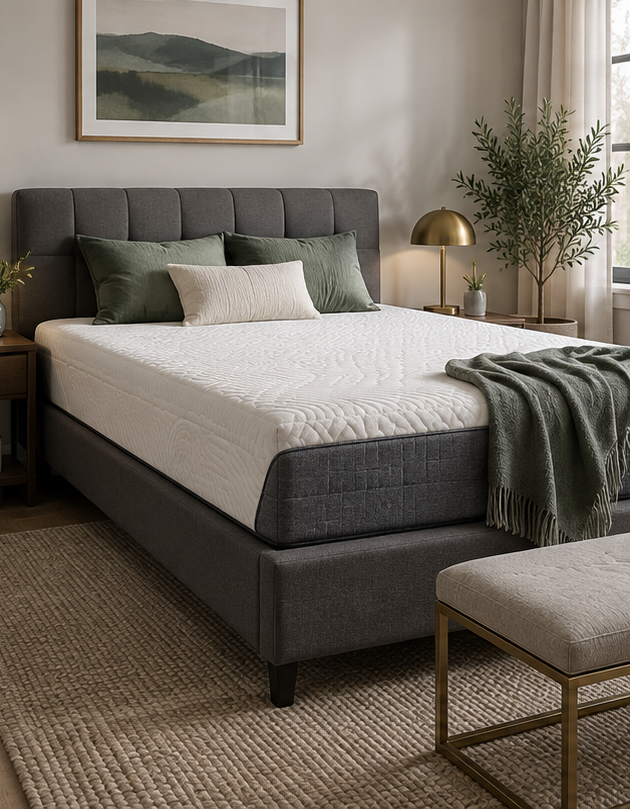
The strongest selling point of memory foam is pressure relief. A well-designed memory foam layer can spread body weight and reduce concentrated pressure in areas that commonly feel discomfort. Retailers may use this category for customers seeking a softer and more enveloping feel. Hospitality buyers may consider it for premium rooms when the comfort concept is quiet, cushioned, and modern. Project operators may choose memory foam where boxed packaging and efficient transport are important.
The category also requires honest tradeoff review. Memory foam can retain more heat than open spring or highly breathable latex designs, especially in warm seasons or climates. Gel infusions, perforations, breathable covers, and hybrid spring support can help, but buyers should avoid presenting the product as universally cool unless the specification supports that claim. Heavier users may also feel stronger sinkage if the foam is too soft or the support core is not firm enough. That can affect comfort, movement, and edge stability.
A typical B2B specification discussion should include foam density, indentation firmness, recovery speed, layer thickness, support core type, cover material, compression packaging, expansion timing, odor dissipation, and warranty expectations. Different channels require different priorities. A retail buyer may care about showroom feel and category labels. A hotel buyer may care about repeat guest comfort and replacement planning. A distributor may need compact packaging and consistent specifications across batches.
Memory foam can be used alone or in hybrid structures. When paired with pocket springs, it offers contouring comfort above responsive support and improved airflow. When paired with firmer base foam, it can support roll-packed distribution. The right approach depends on budget, buyer channel, and target user expectations.
Retailers often select memory foam for clear comfort demonstrations because the material visibly responds to pressure. Hospitality buyers may prefer hybrid memory foam designs that reduce the risk of excessive heat retention while keeping the cushioning story. Project operators may value compression packaging, but they should confirm recovery time, storage duration, and expansion expectations before relying on compact logistics.
A strong memory foam inquiry should include density expectations, firmness, top layer thickness, base support material, cooling or ventilation features, cover fabric, compression packaging preference, destination climate, user profile, and claim language. LuxeBella Group Inc. can use those details to support a practical B2B conversation and reduce the chance of mismatched comfort expectations.
LuxeBella Group Inc. presents this category for business buyers who need documented product discussions rather than a retail cart. Every request is reviewed through email or the inquiry form, followed by requirement confirmation, commercial discussion, contract execution, and agreed payment terms.
B2B Specification Review
Before any mattress category moves into a commercial proposal, LuxeBella Group Inc. expects the buyer to provide enough information for a serious specification review. Helpful details include company identity, intended market, product category, size range, firmness preference, target use environment, packaging needs, estimated quantity, timing expectations, and destination region. These details allow the discussion to focus on practical product fit rather than assumptions based on category names alone.
The review also separates general website information from contract-level commitments. Website pages explain product categories and cooperation methods, but they do not create final specifications, prices, delivery responsibilities, warranties, or payment obligations. Those items must be confirmed through written commercial communication and contract documents. This is especially important for B2B mattress programs because construction, comfort layer choices, packaging, destination, and inspection expectations can materially change the final arrangement.
Buyers are encouraged to share operational priorities early. A retailer may need showroom language and category differentiation. A hotel buyer may need consistent comfort across many rooms. A distributor may care about carton handling and repeatable specifications. A furnished housing operator may prioritize durability and replacement planning. LuxeBella Group Inc. uses documented communication to keep these requirements visible as the conversation progresses.